
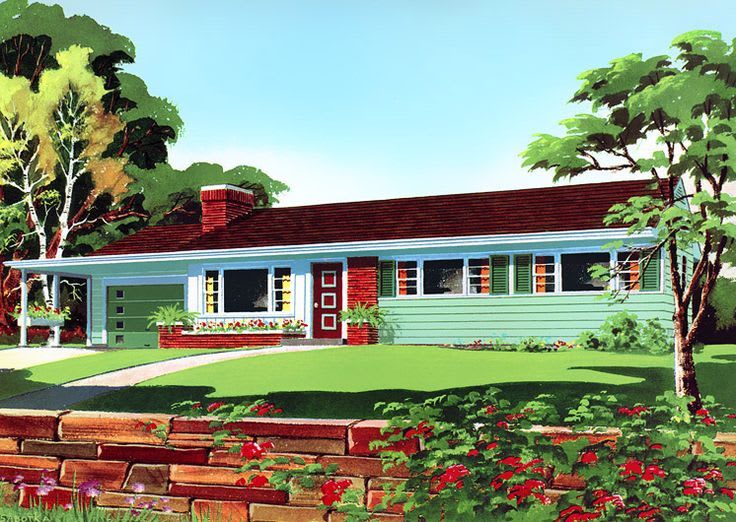

The 1950s and 1960s were a defining period in American history. With soldiers returning home after World War II, the birth rate skyrocketed, creating the baby boom generation. Alongside this cultural shift came another major change: a surge in homeownership. Suburbs expanded, housing developments flourished, and families found themselves in new homes that shaped the American Dream.
The Rise of Homeownership
In 1940, only about 44% of Americans owned a home. By 1960, that number had climbed to nearly 62%. This dramatic increase was fueled by:
-
Economic growth: The post-war economy was booming, with more families earning steady wages.
-
Government support: Programs like the GI Bill and FHA loans made it easier for veterans and young families to purchase their first home.
-
Mass developments: Builders like William Levitt created affordable suburban communities, with homes starting under $8,000, making ownership accessible for millions.
Home Prices in the 1950s and 1960s
-
1950s: The average home cost around $7,354, equal to about $93,600 in today’s dollars.
-
1960s: By 1960, the median price was about $11,900—or roughly $126,800 when adjusted for inflation.
-
Regional differences: In 1960, states like Arkansas offered homes for as little as $6,700, while Hawaii’s prices were much higher, averaging around $20,900.
What really stands out is affordability. In 1960, the average family made about $5,600 a year. That means homes cost only about twice the annual household income. By comparison, today’s housing market often requires 3.5 times (or more) of annual income.
Homes Then vs. Now
Not only were homes more affordable, but they were also different in style and size.
-
Size: In 1960, the average home was about 1,500 square feet. By the end of the decade, that number had grown closer to 2,000 square feet. According to NAHB data from early 2025, the average size is about 2,408 square feet.
-
Design: Split-level layouts, wood paneling, bold color choices, and conversation pits became popular. These mid-century modern touches remain iconic today.
-
Lifestyle: Families valued functionality—extra rooms, backyards, and community living spaces—reflecting the era’s family-first mindset.
Lessons From the Baby Boom Housing Market
The baby boom years show us how a strong economy, government programs, and innovative builders reshaped America. Affordable prices and accessible financing helped create generations of homeowners, setting the foundation for today’s housing landscape.
While housing is more challenging to afford now, the legacy of mid-century neighborhoods still attracts buyers. Their classic charm, sturdy construction, and family-oriented layouts remind us of an era when the dream of homeownership felt more within reach.
Final Thoughts
Looking back at the 1950s and 1960s, one thing is clear: housing was more than shelter—it was a symbol of stability and success. Today, as prices continue to climb, many buyers are drawn back to these mid-century homes for their character, affordability (relative to modern builds), and sense of history.
If reading about the affordability of homes in the baby boom era has you thinking about today’s market, know that finding the right home is still possible with the right guidance. Whether you’re searching for a starter home, a forever home, or simply want to learn what’s within your budget here in Jacksonville, our team is here to help every step of the way. Reach out to us today at 904-872-6762 to get started on your home search—and let’s find the place that feels just right for you.